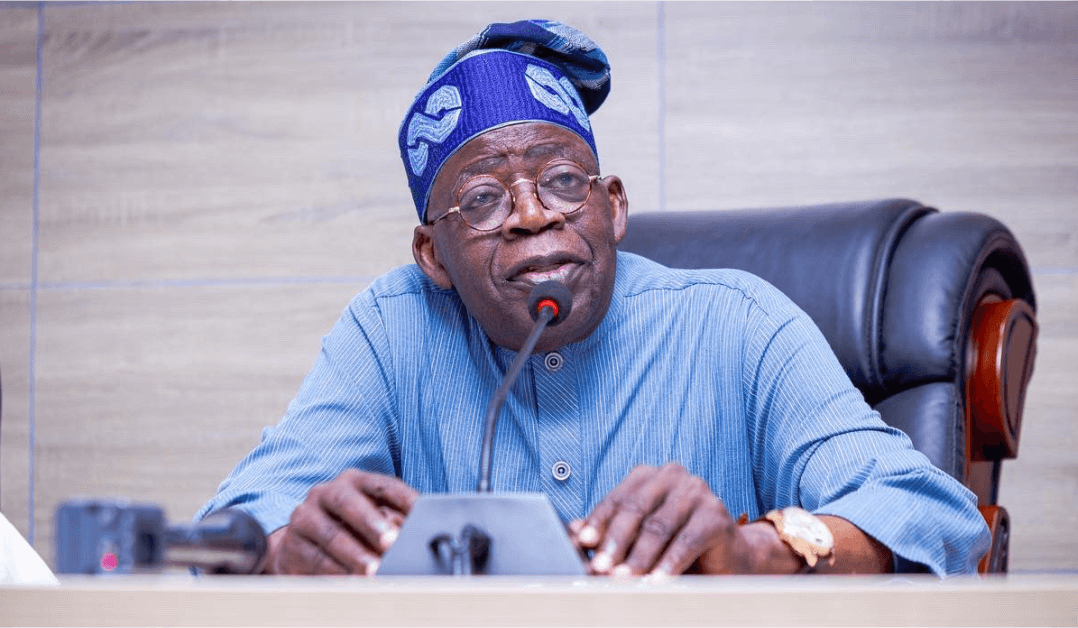

The Minister of the Federal Capital Territory (FCT), Nyesom Wike, has announced the seizure of 7,000 hectares of land from the University of Abuja (Uniabuja), out of an alleged 11,000 hectares previously claimed by the institution in the Giri district.
Minister Wike, speaking on Monday during the commissioning of newly constructed access roads in the area, accused the university of appropriating vast tracts of land without proper documentation and fencing it off. He expressed concerns that the university authorities might eventually sell off these portions of land.
“The University on their own grabbed 11,000 hectares. I said that will not happen. No document, nothing. You see them fencing everywhere, and before you know it, they would have gone to sell our land,” Wike asserted.
In response, the Minister has directed the Director of Lands and other relevant Federal Capital Territory Administration (FCTA) agencies to allocate a maximum of 4,000 hectares to the university. The remaining 7,000 hectares will be reallocated for other crucial developmental projects within the district.
Wike emphasized the FCT’s commitment to rapid infrastructural development in the area, stating that new access roads would be created to make the district more conducive and appealing for human habitation. “Having created this access road, we have told the Executive Secretary of FCDA and other relevant agencies to start working on details of how we are going to do the roads within the district. So, be assured that maybe next one year, it will be a different thing,” he added.
The Minister also hinted at collaborative plans with the National Assembly to establish additional institutions in the district, pledging the FCTA’s full support in providing land to fast-track these processes. He specifically mentioned that the Economic and Financial Crimes Commission (EFCC) Academy in the district is now expected to commence operations immediately, thanks to the newly completed access road.
Wike further promised that the FCTA would ensure the provision of essential amenities such as roads, water, and electricity to attract investors, acknowledging that a lack of infrastructure often discourages development.