
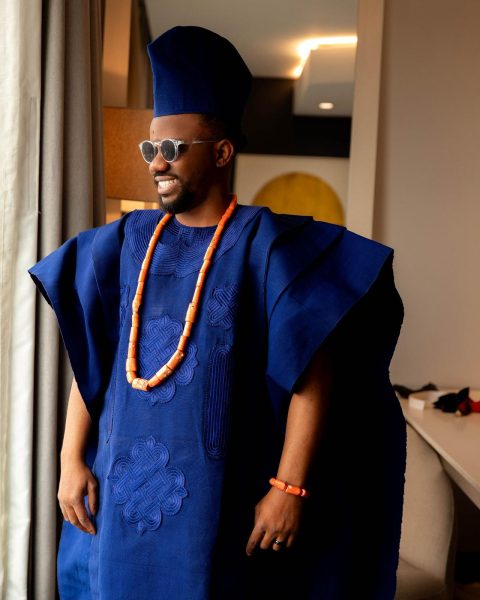
In an era where fashion increasingly chases trends and fleeting relevance, Nigerian designer Tobechukwu Asikoko, known through his label Tobe Asikoko, is charting a different course — one rooted in memory, movement, identity, and African cultural consciousness.
Emerging as one of the distinctive creative voices redefining contemporary African fashion, Asikoko has built a reputation for transforming garments into layered narratives that reflect the realities of travel, migration, heritage, and belonging. His work exists at the intersection of art, culture, and storytelling, where every design carries emotional and historical weight beyond the fabric itself.
Rather than designing for aesthetics alone, the creative approaches fashion as a living archive. Through distressed textures, layered tailoring, symbolic patterns, and utilitarian silhouettes, his collections mirror the experiences of movement across places, people, and identities. The result is a body of work that feels both deeply personal and universally resonant.
One of the defining inspirations behind his recent collections is the kolanut — a timeless cultural symbol across many Nigerian communities, representing hospitality, honour, unity, and human connection. Asikoko reinterprets this heritage symbol through modern craftsmanship, translating its texture, structure, and meaning into contemporary fashion pieces that bridge tradition with global design conversations.
His ability to infuse indigenous symbolism into modern fashion language has continued to distinguish his brand within the evolving African creative industry.
Further amplifying his growing international recognition, Asikoko recently showcased his work at the Gambia International Fashion Week, presenting a collection themed around “Unity and Movements.” The showcase explored narratives tied to migration, African mobility, Gambian Attaya culture, and the enduring symbolism of the West African kolanut, reinforcing his commitment to telling African stories through fashion.
Since launching his fashion journey in 2019, the designer has consistently demonstrated an uncommon commitment to purposeful creativity. Following his relocation to the United Kingdom, he expanded his artistic and technical knowledge by earning a Master’s degree in Design with Advanced Practice from Teesside University.
Industry observers continue to describe his work as part of a broader movement redefining African fashion beyond commercial trends, positioning it instead as a medium for cultural preservation, identity expression, and global artistic dialogue.
As conversations around African creativity continue to gain momentum across international platforms, Tobe Asikoko’s work stands as a reminder that fashion can still carry meaning — documenting journeys, preserving heritage, and reconnecting