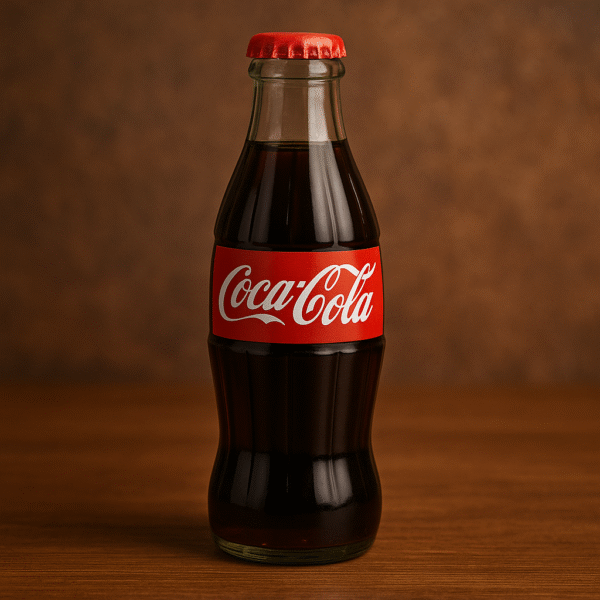
 Coca-Cola, one of the world’s most iconic soft drinks, originally contained cocaine, a powerful stimulant derived from the coca plant. This controversial ingredient was formally removed from the beverage in 1929, marking a pivotal moment in the brand’s evolution and public perception.
- When Dr. John Stith Pemberton, an Atlanta-based pharmacist, created Coca-Cola in 1886, it was marketed as a medicinal tonic. The original formula combined coca leaf extract (which contains cocaine) and kola nut extract (a source of caffeine), hence the name “Coca-Cola.”
At the time, cocaine was legal and widely used in tonics and elixirs for its stimulating effects and supposed health benefits. Coca-Cola was advertised as a remedy for headaches, fatigue, and even morphine addiction.
Public awareness and scientific understanding of cocaine’s addictive and harmful effects grew throughout the early 20th century. Facing increasing scrutiny and regulatory pressure, Coca-Cola began to reduce the amount of cocaine in its formula:
- 1903: The company removed the majority of the cocaine by switching to a “spent” coca leaf extract, which had most of the psychoactive compound chemically extracted.
- 1929: The process of completely removing traces of cocaine from the coca leaf was perfected by a chemist working with Coca-Cola. From that point on, the drink no longer contained any cocaine.
Despite this change, the company continued to use de-cocainized coca leaf extract, which preserved the distinctive flavor without the narcotic effect.
The full removal of cocaine from Coca-Cola in 1929 coincided with advances in chemical extraction techniques, allowing the company to keep the flavor while eliminating all traces of the drug. This move also aligned with broader societal and legal changes, such as the growing enforcement of drug laws in the United States and the formation of the Federal Bureau of Narcotics in 1930.
The early use of cocaine in Coca-Cola has become a popular part of its lore, often misunderstood or sensationalized. Today, the formula remains a closely guarded secret, known as “Merchandise No. 7,” but it is clear that modern Coca-Cola contains no cocaine.
Interestingly, Coca-Cola still imports coca leaves through a special license granted to Stepan Company, the only U.S. company authorized by the DEA to process coca leaves for flavoring purposes (minus the drug).
The removal of cocaine from Coca-Cola in 1929 was a critical step in transforming the beverage from a medicinal tonic into a mainstream soft drink. It reflected changing attitudes toward drug use, regulatory progress, and the company’s desire to maintain a family-friendly image. Though the recipe has evolved, the brand’s mystique and global popularity endure.