The Trade Union Congress (TUC) has called for a reduction in petrol prices, urging the government to lower them below the levels seen in June 2023.
TUC President Festus Osifo made the call during a press briefing in Abuja on Thursday.
He said: “We demand that the price be brought down, not just to what it was before, but even lower.”
Osifo called for government intervention in the sector by providing foreign exchange to the Dangote Refinery at a rate of $1 to ?1,000, instead of the current rate of over ?1,600, to help reduce petrol costs.
“The solution we are proposing, if implemented, will return prices to what they were in June last year,” Osifo stated, emphasizing that “no government in the world leaves its critical sectors to market forces” and that the Nigerian government should not allow the oil sector to be influenced solely by the fluctuations of the naira.
Osifo stressed the importance of making petrol affordable, available, and accessible for all Nigerians, noting that the commodity is vital for households across the country, regardless of whether they own vehicles.
He urged the Federal Government to grant all marketers licenses to lift petrol from the Dangote Refinery through the Nigerian Midstream and Downstream Petroleum Regulatory Authority (NMDPRA).
Osifo also suggested that the NNPCL should import refined petrol from other sources if the Dangote Refinery cannot meet Nigeria’s daily consumption needs.
“If the product is not available, it’s a problem. For example, if Dangote Refinery produces less than 15 million litres per day, it won’t be enough,” Osifo explained.
He added that while efforts are being made to increase production at the Dangote Refinery, the NNPCL should look for alternative sources to meet demand until the refinery can fully satisfy the country’s needs.
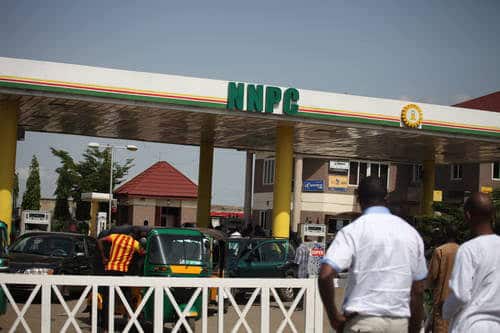
On Wednesday, Nigerians were hit with another price hike when NNPCL retail outlets in Lagos and the Federal Capital Territory (FCT), Abuja, raised petrol prices again.
In Lagos, NNPCL stations increased the price to ?998 per litre, about ?150 more than the previous price of ?855. The sudden increase triggered panic-buying, leading to long queues at filling stations.
Non-NNPCL filling stations quickly followed suit, with some raising prices to as high as ?1,050 per litre in parts of Lagos. In Abuja, NNPCL outlets hiked prices from ?897 to ?1,030 per litre.
This latest increase comes after a similar price hike by NNPCL on September 2, 2024, when prices were raised from ?568 to ?855, sparking public outrage.